
Best Protein Powder for Beginners
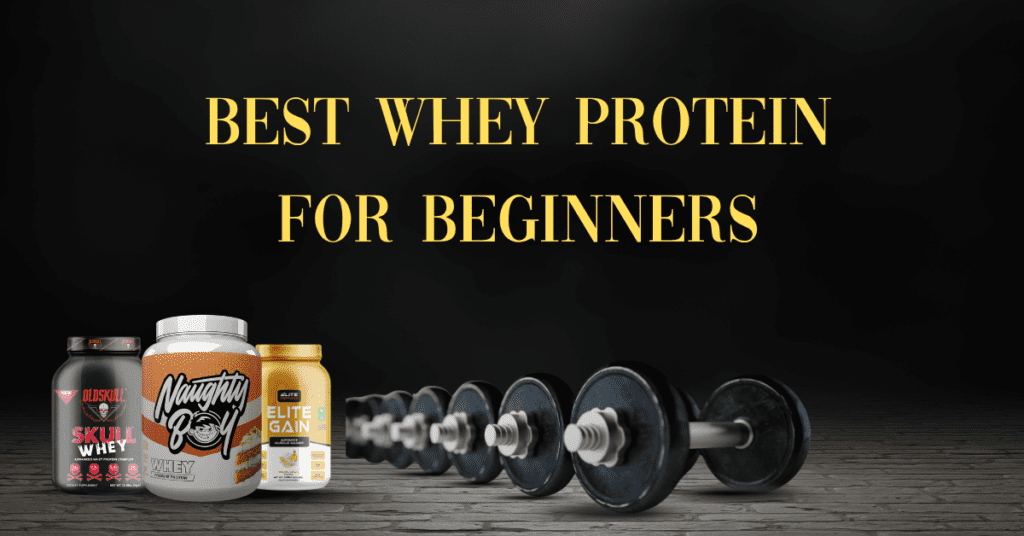
Embarking on a fitness journey is exciting and intimidating all at once. “Do I need to buy protein powder?” is among the first inquiries the first timers pose. It all depends on your training goals, what you’re eating in a day, and how much protein you’re eating. Adding a protein powder can help the recovery, strength and overall nutrition of many people.
If this is your first time ever handling protein powder and you want some tips, or if you’re looking for the best protein powder for beginners, this guide will tell you what protein powder is, why do beginners use it and how to select the best one, so you don’t waste your money in vain.
What Is Protein Powder?
Protein powder is a nutritional product that helps people to meet their daily protein requirements. It’s become popular among gym rats, athletes and busy people who find it difficult to eat enough protein.
This is the reason why Protein is essential for:
- To repair and build muscle
- Help the body recover from exercise
- Contribute to Bone and Tissue Health
Protein helps you stay fuller for longer periods of time. Early trainees who just started training should take protein more seriously as they have to really feed muscle if they want to repair and grow.
Different Types Of Protein
1. Whey Protein Concentrate
This is one of the simplest choices for beginners. There’s a decent amount of protein in it, plus a few carbohydrates and fats. It is cheap and effective for muscle repair and daily nutrition.
Best for:
- Beginners
- Muscle gain
- General fitness
2. Whey Protein Isolate
Whey isolate has a higher protein content with lower fats and carbohydrates. It is solid and fast-acting.
Best for:
- Lean muscle building
- Lactose-sensitive users
- Fat loss goals
3. Plant-Based Protein
Powered by plants-including pea, soy, brown rice or a blend of different plant proteins, this is the right choice for vegetarians and vegans.
Best for:
- Vegan diets
- Dairy intolerance
- Digestive comfort
4. Mass Gainers
Mass gainer are protein and high in calories and carbohydrate. These are mostly favoured by lean men and women seeking to acquire weight.
Best for:
- Weight gain
- Hard gainers
How to Pick the Best Protein Powder
A lot of newbies are pumping supplements based on ads and influencers. Instead, consider these crucial factors.
1. Check the Protein Count
A good beginner supplement is one that can supply around 20–25g of protein per dose.
Read the ingredients list
Steer clear of products that are high in sugar, fillers or any other unnecessary additives. For most beginners simple is better and more complex formulas are not really that ove necessary at this stage.
2. Select Trusted Brands
Always go for genuine and reputed brands to prevent your order from being assembled in a mockery supplement. Reliable products are often tested for quality and contain reliable nutritional information.
3. Choose a Flavor You’ll Like
If you don’t like the flavor, chances are you’re not going to use it regularly. Beginner friendly popular flavors: Chocolate, vanilla, cookies & cream and mango.
4. Consider Your Fitness Goal
- Muscle gain → Whey concentrate or mass gainer
- Fat loss → Whey isolate
- General fitness → Basic whey protein
- Vegan lifestyle → Plant protein
When should a novice take protein powders?
Timing is less important than total protein ingested during the day, but some frequent time points are the following:
1. After Workout
That’s the most popular time, it’s said, because muscles are in need of nutrients for recovery.
2. Morning
Protein in the morning can help keep you feeling full and help maintain muscle.
3. Between Meals
Protein shake sometimes helps as a healthy snack and reduces the craving for junk food.
Common Mistakes Beginners Make
- Depending only on Supplements
- Protein powder is a supplement for a reason. It needs to complement your diet and not act as your whole source of diet.
- Overdosing on protein
- More protein doesn’t mean more muscle. Your body requires nourishment and training in equal parts.
- Neglecting Water Intake
- You need to be well hydrated on a high-protein diet. Water: Drink plenty of water during the day.
- Purchase Fake Item the purchase.
Always buy from reputable sellers or websites that are authorized to sell.
How much protein does a beginner need?
- An active beginner will generally require somewhere in the region of 1.2-1.8g of protein per kg of bodyweight.
Example:
- A person who weighs 60 kg may need 72–108 g of protein per day, depending on activity level.
It should probably come mostly from whole food with supplementation filling in the gaps.
Are there any adverse effects?
Most healthy adults can safely use protein powders in moderation. Some novices may experience:
- Bloating
- upset stomach
- Acne (for some people)
Effects can be minimized by selecting a good quality product and drinking plenty of water.
If you have any medical condition such as kidney disease or allergies, consult your physician before using.
Conclusion
You don’t have to waste time trying to locate the best protein powder for beginners. The best supplement for you may be different from the best supplement for someone else, as that depends on your own goals, diet, budget and lifestyle. Newbies must focus on consistency, good nutrition and a dose of realism rather than racing for results.
Keep it simple, invest in a reputable product and focus on forming habits you can maintain over the long haul.When you have a good protein powder on hand, meeting your protein requirements becomes just a little bit easier — which can leave you with just a little more fuel to get through the day, recover from your workouts, and keep getting stronger down the road.
FAQs
1. What is the Best Protein For Beginners?
For the beginners , whey protein concentrate is best protein source as it is economical, effective and tase is very good .
2. Should non-gym goers take protein powders?
Yes,but only to meet the daily protein need. You still need to work out and eat a healthy diet to be healthy.
3. Can I take protein powder daily?
High quality protein products are safe to consume in recommended dosage as far as I know.
4. For beginners, which is better – whey isolate or concentrate?
Whey concentrate is generally more suitable for beginners as it is more balanced, while also being more affordable, and is more unprocessed when compared to other forms of protein such as whey isolate.
5. How many scoops should a beginner take?
In general most beginners are taking 1 scoop a day depending on how much protein they are getting from food.