
How to Choose the Best Vitamins and Supplements for Muscle Growth
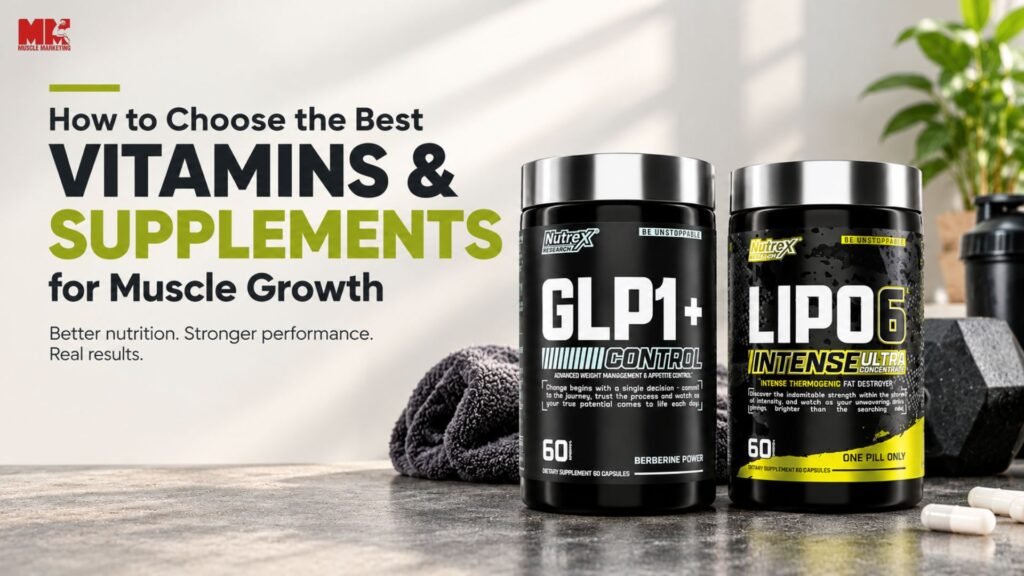
Building muscle needs more than regular workouts. A balanced diet, sleep, steady training and the right nutrition all help muscle growth and recovery. Whole foods should be the base of your diet. Vitamins and supplements can fill nutritional gaps and support your fitness goals.
Choosing the vitamins and supplements, for muscle growth can feel confusing because many products exist. Knowing your needs, fitness goals and supplement ingredients can help you make better decisions.
This guide explains what to look for when selecting supplements for your fitness routine.
1. Understand Your Muscle-Building Goals
Before buying any supplement think about what you want to achieve with your fitness. If building muscle is your goal make sure you’re getting enough protein eating enough calories and doing strength training that gets harder over time. If you want to do during your workouts focus on staying hydrated eating balanced meals and giving your body time to recover.
Your supplements should help you stick to these habits. Not take the place of them. If you’re just starting out get into a workout routine and eat well first. Don’t rush to buy a lot of products right away.
2. Know Which Vitamins and Minerals Your Body Needs
Vitamins and minerals support body functions, including energy metabolism, normal muscle function and bone health.. Taking extra vitamins does not automatically increase muscle growth.
Vitamin D helps the body absorb calcium. It supports bone health and normal muscle function. People who have vitamin D levels may benefit from taking supplements but only under professional guidance.
Vitamin B12 supports nerve function. It helps in blood cell formation and energy metabolism. This vitamin is especially important for people who follow vegan diets or have trouble absorbing nutrients.
Magnesium plays a role in muscle and nerve function. It also helps with energy metabolism. Good food sources include nuts, seeds, legumes and whole grains.
Iron helps carry oxygen through the blood. Low iron levels can reduce energy. Hurt exercise performance. Iron supplements should only be used when necessary and, under proper advice.
Zinc supports immune function and helps with protein synthesis. You can get zinc from meat, dairy products, beans, nuts and seeds.
A varied diet should always come first. Supplements should be considered based on needs not taken in high doses without professional advice.
3. Consider Protein Supplements
I have found that protein gives acids that help fix and grow muscle tissue after a workout. If you find it hard to hit your daily protein goal with food a protein supplement can be a simple fix.
Whey protein is a well‑liked choice because it offers protein and can be taken easily after training or between meals. Plant‑based proteins, for instance soy protein can work well for those who skip dairy.
When you pick a protein powder look at the protein amount in each serving the list of ingredients the serving size, any allergens, the expiration date and the price per scoop. Choose a product that matches your diet and wallet.
Keep in mind that the total protein you eat in a day matters more, than depending on a shake or timing it to a specific moment.
4. Evaluate Other Sports Nutrition Supplements
Some people who work out think about taking supplements to help them reach their fitness goals.
Creatine monohydrate is one of the studied sports supplements. It can help with performance during intense bursts of exercise if used the right way.
Omega-3 fatty acids are good for health. You can get them from fish like salmon or from some plant foods like flaxseeds. If you’re not getting enough through food a supplement might be helpful.
Multivitamins can fill in gaps in your diet if you don’t eat a variety of foods.. They’re not a substitute for eating real balanced meals.
Pre-workout supplements often have caffeine and other stuff meant to help you stay alert or perform better during your workout. Always check what’s inside and how much caffeine is, in each dose.
5. Check Product Quality Before Buying
Some people who work out think about taking supplements to help them reach their fitness goals.
Creatine monohydrate is one of the studied sports supplements. It can help with performance during intense bursts of exercise if used the right way.
Omega-3 fatty acids are good for health. You can get them from fish like salmon or from some plant foods like flaxseeds. If you’re not getting enough through food a supplement might be helpful.
Multivitamins can fill in gaps in your diet if you don’t eat a variety of foods.. They’re not a substitute for eating real balanced meals.
Pre-workout supplements often have caffeine and other stuff meant to help you stay alert or perform better during your workout. Always check what’s inside and how much caffeine is, in each dose.
Don’t mix supplements without looking at the ingredients. Some might have the things and that could lead to too much of one thing.
6. Combine Supplements with a Balanced Diet
Supplements work best when you combine them with nutrition and steady exercise habits. I have found that supplements work best when I combine them with nutrition and steady exercise habits because the body needs a steady flow of nutrients to use the supplements effectively.
Add protein foods like eggs, dairy, pulses, beans and lean meats that you enjoy. I add protein foods like eggs, dairy, pulses, beans and lean meats that I enjoy. I also add fruits, vegetables, whole grains, nuts and seeds for more nutrients so that every meal supports muscle growth.
If you have a condition take medication or think you might lack some nutrients talk to a qualified health professional before you start using supplements because a qualified health professional can help you decide if supplements are right, for you.
Frequently Asked Questions
1. Which vitamins are useful for muscle growth?
Vitamin D, B12 and other important nutrients help the body work the way it should. Taking supplements depends on what you eat and what your body needs.
2. Can supplements build muscle without exercise?
No. Supplements alone cannot build muscle. You still need to lift weights eat well and rest enough.
3. Is whey protein suitable for beginners?
Whey protein can be good for beginners who need protein but don’t get enough, from food.
4. Should I take supplements every day?
It depends on the supplement how much you take and what your body needs. Always follow the instructions. Ask a professional if you are not sure.
Conclusion
Choosing the vitamins and supplements for muscle growth starts with understanding your goals and evaluating your diet. Vitamins and minerals are essential for body functions while protein supplements can help you meet daily protein requirements. Other sports nutrition products may benefit training goals when they are chosen carefully.
For results combine balanced nutrition, regular strength training, proper hydration and adequate sleep. Vitamins and supplements are part of the picture. A rounded plan is essential for muscle growth.
Explore the sports nutrition range, at Muscle Marketing to compare products and choose options that suit your fitness routine and nutritional needs. Muscle Marketing offers a variety of vitamins, supplements and protein options. Find the products that match your muscle growth goals.